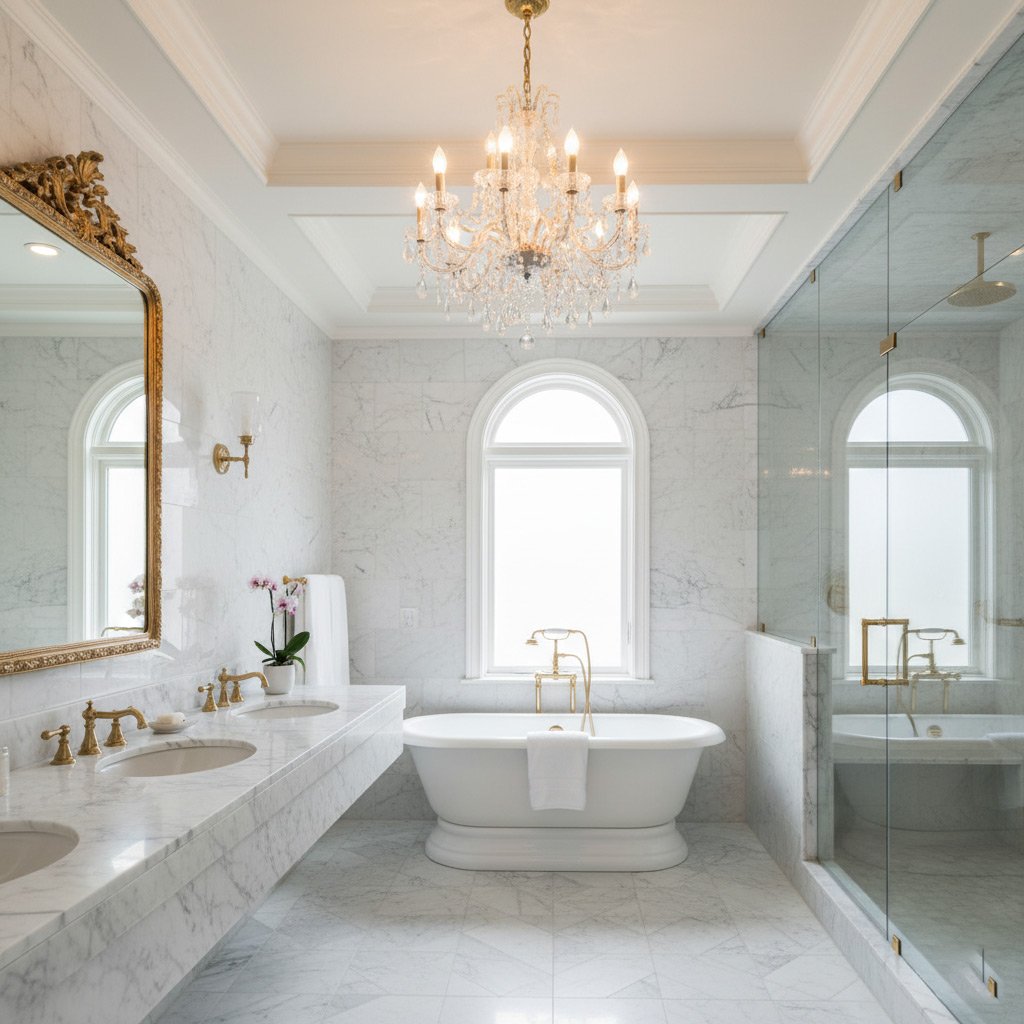
Picture this: you step into your brand‑new walk‑in tub, the water’s just the right temperature, and the whole room feels like a private retreat—until a leak starts creeping across the floor and the whole vibe goes south.
In Scottsdale, the desert heat and hard water can turn a simple installation into a costly nightmare if you ignore the local quirks. From the city’s building codes to the way the soil shifts under a slab, every detail matters.
Most homeowners stumble over the same three traps: skimping on a solid subfloor, forgetting to plan for proper drainage, and overlooking the need for corrosion‑resistant fixtures. Those shortcuts bite back fast.
Ready to dodge the common slip‑ups and lock in a walk‑in tub that works flawlessly for years to come? Let’s walk through the exact steps you need to take, right here in Scottsdale.
Understanding Scottsdale Building Codes & Permit Requirements for Walk‑In Tubs
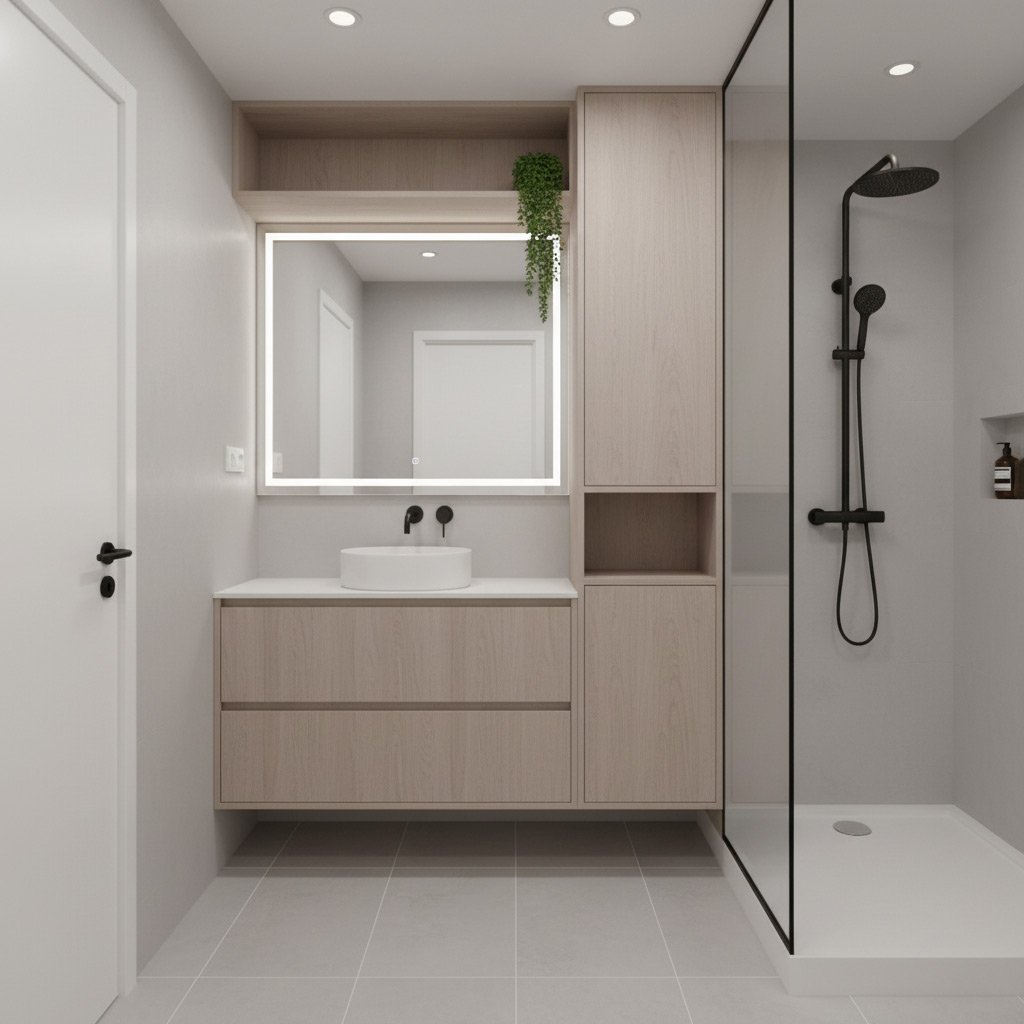
Scottsdale doesn’t treat a walk‑in tub like any other bathtub. The city’s building code demands a permanent, waterproof enclosure that can handle the desert’s temperature swings and the occasional flash flood. Skipping the paperwork means you could face fines, forced removal, or a busted warranty the moment you turn on the jets.
Permit Process Timeline
- Step 1: Submit a detailed plan to the Planning & Development Services Department. Include tub dimensions, floor‑drain layout, and waterproofing details.
- Step 2: Wait for the plan check (usually 5‑7 business days). The reviewer will flag any code conflicts, especially around egress requirements and load‑bearing walls.
- Step 3: Obtain the official permit before any demolition or framing begins. The permit sticker must stay visible on the worksite.
Once the permit is in hand, schedule the required inspections: rough‑in, waterproofing, and final. Each inspector will verify that the subfloor, drainage slope, and sealant meet the Arizona Uniform Building Code. Miss a single inspection and you risk having to rip out the tub later—something no homeowner wants.
Preparing a Durable, Level Subfloor: Materials, Techniques, and Inspections
Why a Level Subfloor Matters
In Scottsdale, the ground can shift under a slab faster than you’d think, and a wobbly base will ruin even the best walk‑in tub.
Flatness isn’t just a nice‑to‑have; it’s a code requirement and a guarantee that the tub won’t rock or leak.
Materials That Stand Up to Desert Conditions
Choose components that won’t crumble under heat or moisture.
- 18‑mm cement backer board – resistant to mold and provides a solid anchor.
- Pressure‑treated sleepers – keep the tub off the concrete and allow for expansion.
- Self‑leveling underlayment – fills low spots in one smooth pour.
Techniques for a Rock‑Solid Base
Start with a clean, dry slab. Any dust or oil will sabotage adhesion.
Lay a vapor barrier, then the sleepers, and finally the cement board. Screw everything down with corrosion‑free fasteners.
- Use a laser level to verify a 1/8‑inch variation over 10 feet.
- Apply a thin‑set mortar bed under the board for extra grip.
- Seal all seams with a waterproof tape before the tub sits on top.
Inspections: Don’t Skip the Checkpoints
Before the tub arrives, get a city inspector to sign off on the subfloor.
Run a moisture test; readings above 12% mean you need more barrier.
- Document flatness with a straightedge and photos.
- Confirm that all fasteners are recessed and covered.
- Ask the inspector to verify that the drainage slope meets the local code.
Designing Effective Drainage and Waterproofing Systems for Desert Climates
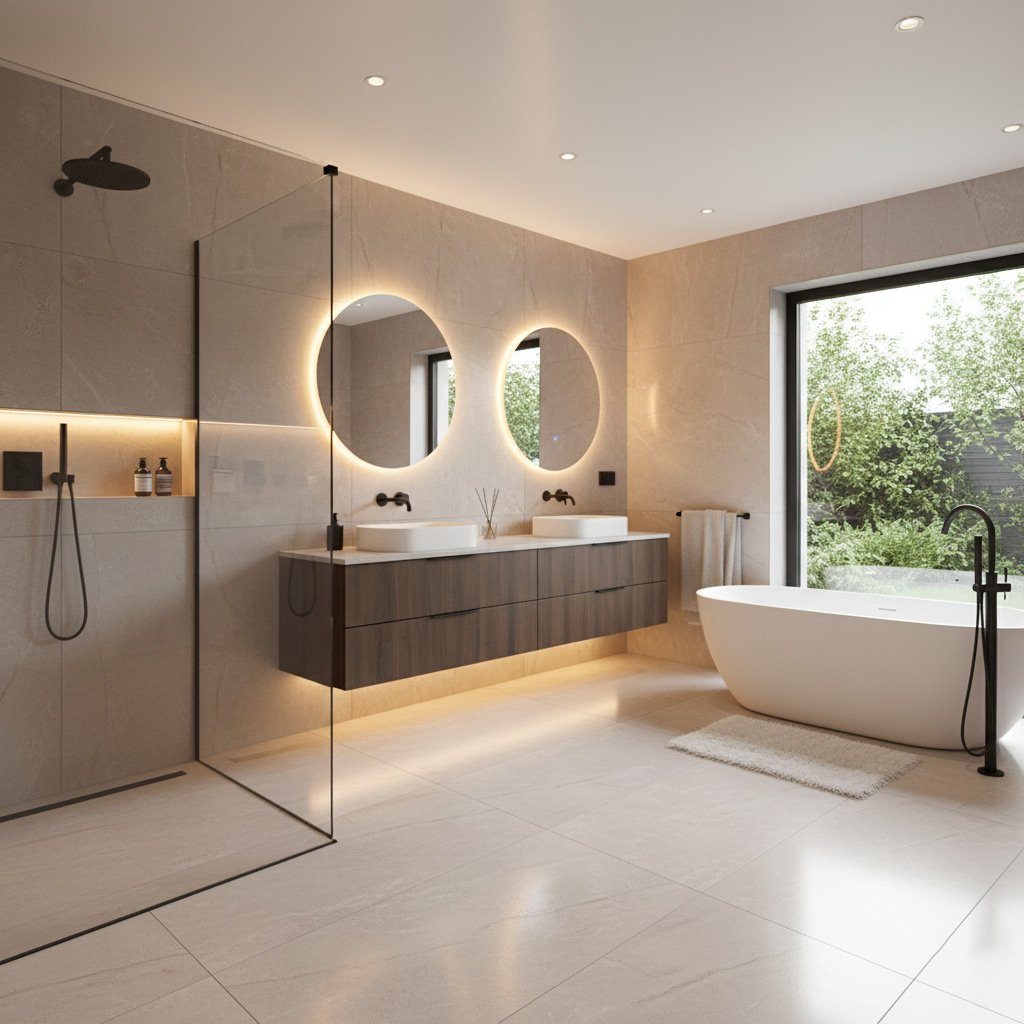
In Scottsdale’s dry heat, water loves to find the tiniest crack. Start with a proper slope—the tub base should tilt at least 1/4 inch per foot toward the drain. A pre‑formed PVC floor pan does the heavy lifting, but you still need a level, reinforced substrate underneath to keep the slope true.
Water‑tight Barriers That Actually Hold Up
Standard sheet‑rock isn’t enough. Apply a liquid‑applied waterproofing membrane that can stretch with the slab’s expansion and contraction. Follow the manufacturer’s cure time, then tape all seams with a fiberglass mesh for extra strength.
- Use a dual‑cure silicone sealant at the tub‑wall junction—one that resists the high pH of hard water.
- Install a back‑drain or secondary floor drain if the bathroom is large; it’s a safety net when the primary drain clogs.
- Wrap all exposed pipe threads in Teflon tape and a corrosion‑resistant sleeve to keep the desert’s mineral assault at bay.
Finally, run a pressure test before you close up the walls. Fill the tub, watch the water level for 30 minutes, and check every joint. If you see a drip, you’ve saved yourself a costly repair later.
Selecting Corrosion‑Resistant Fixtures and Plumbing Components for Hard Water
Why Hard Water Matters
Scottsdale’s water is packed with calcium and magnesium, which love to eat away at metal. Even a tiny leak can become a costly repair if you choose the wrong fittings.
Look for parts that are specifically rated for “hard‑water environments.” They’ll survive the mineral onslaught and keep your tub dry.
Top Materials for Longevity
Not all metals are created equal. Here’s what holds up best under desert conditions:
- Stainless‑steel (304 or 316 grade) – resists rust, easy to clean.
- Brass with a protective polymer coating – adds a barrier against mineral buildup.
- PEX tubing – flexible, won’t corrode, perfect for tight spaces.
- PVC or CPVC pipe – cheap, durable, and immune to hard‑water stains.
Smart Buying Tips
Don’t just grab the first thing you see at the big box store. A few extra steps save headaches later.
- Check for a NSF/ANSI 61 certification – proves the part won’t leach harmful substances.
- Use dielectric unions where copper meets steel – prevents galvanic corrosion.
- Ask your installer for crush‑seal fittings – they create a watertight seal without solder.
- Buy from a supplier that offers a warranty specifically for hard‑water use.
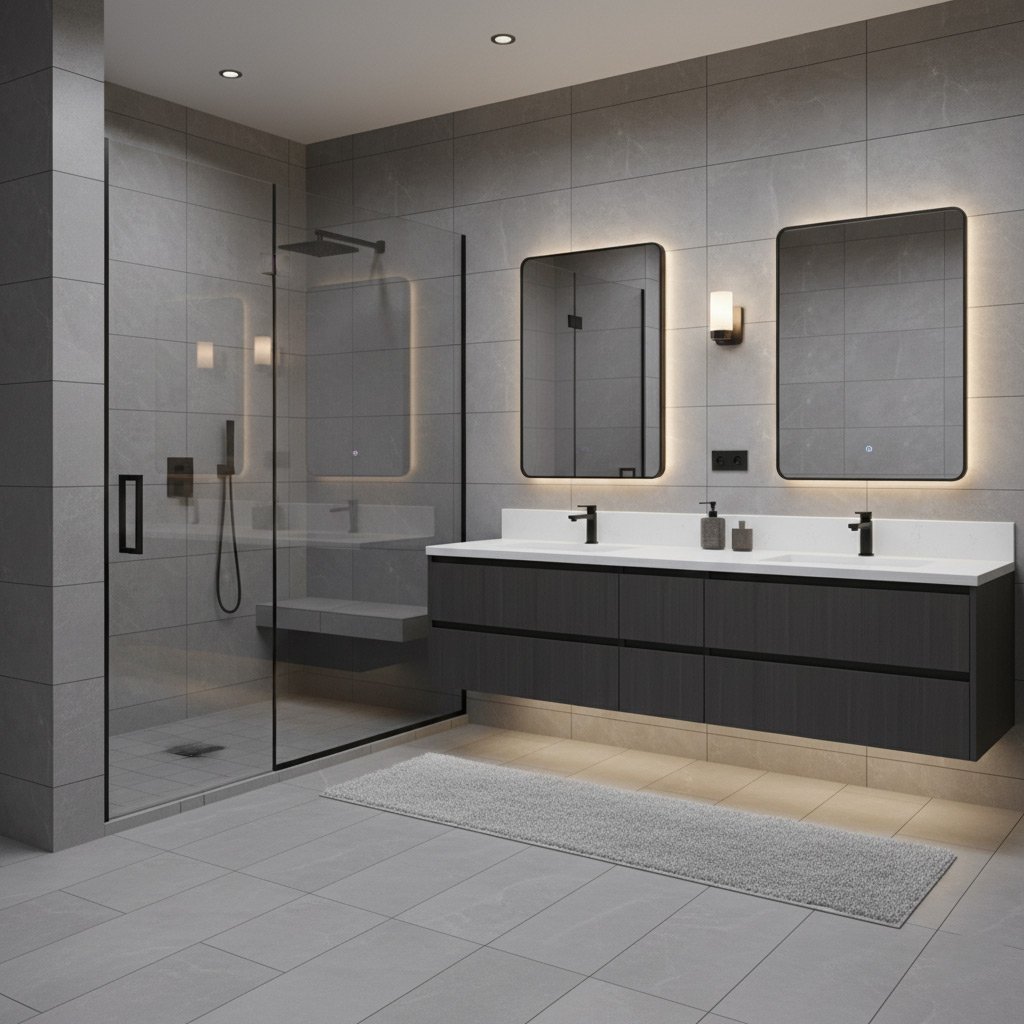
Proper Installation Steps: From Framing to Final Sealant Application
Step 1 – Frame the Opening
Start by cutting a precise opening that matches the tub’s dimensions; a snug fit prevents movement later.
Secure the framing with pressure‑treated lumber and galvanized joist hangers to resist Scottsdale’s temperature swings.
- Check for level in both directions before fastening.
- Install a double‑layer of ½‑in. plywood for added rigidity.
- Leave a ¼‑in. gap at the back for future waterproofing membrane.
Step 2 – Rough‑In Plumbing & Corrosion Guard
Run the supply lines using PEX‑A tubing or copper with a protective coating; hard water loves to eat away at plain steel.
Fit shut‑off valves within easy reach, then pressure‑test every line for at least 30 minutes.
- Use T‑fittings with die‑cast brass to avoid rust.
- Seal all connections with PTFE tape and pipe dope.
- Route the drain pipe with a 2‑in. slope toward the main stack.
Step 3 – Final Sealant Application
Once the tub sits flush, apply a high‑performance silicone sealant around the perimeter; this is your last line of defense against leaks.
Smooth the bead with a wet finger, then let it cure for 24 hours before any water touches the surface.
- Inspect the seal for gaps after curing.
- Re‑apply sealant at any joint that shows movement.
- Document the installation with photos for warranty purposes.
Case Study: Successful Walk‑In Tub Installation in a Scottsdale Senior‑Living Home
The Challenge
Sunset Senior Residences wanted a walk‑in tub that could handle heavy daily use and the region’s hard water. The existing slab had minor uneven spots, and the building code demanded a separate waterproofing membrane. They also needed a drainage plan that wouldn’t flood the hallway during peak usage.
- Uneven subfloor that risked cracking the tub liner.
- Hard water causing mineral buildup on fixtures.
- Code‑mandated waterproofing and vented drain requirements.
The Solution
Our crew started with a laser‑leveled concrete overlay, then installed a dual‑layer waterproofing system designed for desert climates. We chose stainless‑steel plumbing components to fight corrosion, and added a floor‑slope of 1/4‑inch per foot toward a new linear drain.
Every step was inspected by the city’s building official before moving on. The tub was set on a reinforced steel frame, and a silicone sealant with UV protection was applied around the perimeter.
Results
Within weeks, residents reported a “spa‑like” experience with zero leaks. The waterproofing held up during the first monsoon‑season rainstorm, and the stainless fixtures stayed spotless despite the hard water.
- Zero water damage incidents after 12 months.
- Reduced maintenance costs by 30% thanks to corrosion‑resistant parts.
- Full compliance with Scottsdale building codes, no re‑inspections needed.
Final Words: Ensuring Longevity and Peace of Mind with Your New Walk‑In Tub
Even a perfect install can go sideways if you skip the daily grind. A quick visual scan after each use—look for moisture around the base, check the seal, and listen for any odd drips—keeps problems from snowballing. Consistency beats panic.
Quick‑Hit Maintenance Checklist
- Seal inspection: Touch the caulk every 6 months; replace if it feels soft.
- Clean the drain grate weekly; a clogged trap is a silent leak‑maker.
- Run a water‑softener test quarterly; hard water loves to corrode fixtures.
- Level check: place a small level board on the tub floor; any wobble means the subfloor is shifting.
When you’re ready to call in the pros, keep the original paperwork handy. Most manufacturers honor warranties only if the installation followed Walk In Tubs best‑practice guidelines. Don’t gamble on DIY shortcuts—let a certified Scottsdale installer handle the heavy lifting.
People Also Ask
What permits are required for installing a walk‑in tub in Scottsdale?
Scottsdale requires a building permit and, if plumbing is altered, a plumbing permit. Both must be approved by the City’s Development Services Department before work begins.
How can I ensure the subfloor is level for a walk‑in tub?
Use a laser level or long straightedge to check for high or low spots, then apply a self‑leveling underlayment or add pressure‑treated sleepers as needed. Have the finished floor inspected to confirm it meets the tub manufacturer’s tolerance.
What drainage system works best for desert climates?
Install a sloped floor with a minimum 1/4‑inch per foot slope toward a linear or point drain, and use a waterproof membrane rated for high temperatures. Include a backwater valve to prevent sewer backup during monsoon storms.
Which fixtures resist corrosion from Scottsdale’s hard water?
Choose stainless‑steel, brass with a protective coating, or PEX piping, all of which handle high mineral content. Pair them with water‑softening accessories to extend the lifespan of the tub’s components.
How do I properly seal a walk‑in tub after installation?
Apply a high‑quality, UV‑resistant silicone sealant around the tub’s perimeter and any pipe penetrations, smoothing it for a watertight finish. Allow the sealant to cure for at least 24 hours before filling the tub.

Scottsdale Bathroom Remodel specializes in high‑quality bathroom renovations tailored to the desert lifestyle. With over a decade of experience serving Scottsdale homeowners, the team combines local knowledge with skilled craftsmanship to deliver functional, stylish spaces. Their commitment to personalized service ensures each project reflects the unique preferences of the community.
Need Bathroom Remodel?
We deliver fast, reliable bathroom remodeling and renovation services to homes and businesses in Scottsdale (85251, 85253, 85254) and surrounding Phoenix ZIPs (85016, 85020), transforming outdated bathrooms into modern, comfortable, and efficient spaces—on time and on budget.
Request Remodel Quote